Environmental Stewardship and Engineering Excellence: The HICLOVER Waste Incinerator

Environmental Stewardship and Engineering Excellence: The HICLOVER Waste Incinerator

The management of waste is a pressing global challenge, and waste incinerators have emerged as a pivotal technology in addressing this issue. HICLOVER waste incinerators are designed to comply with international industrial standards, ensuring safe and efficient waste disposal. Operating at temperature ranges of 800°C to 1200°C, these systems utilize advanced engineering reliability to achieve effective waste recovery and minimize environmental impact. As governments and regulatory bodies face increasing pressure for sustainable waste management solutions, understanding the intricate workings of incinerators is essential.

Understanding Waste Incinerators: Technical Foundations

Waste incinerators operate on essential combustion principles that convert solid waste into ash, flue gas, and heat. The process involves two primary combustion chambers—each playing a critical role in ensuring thorough waste incineration. In the first chamber, waste is subjected to high temperatures, which facilitates the breakdown of organic materials. The dual-chamber design is crucial for maintaining high temperature retention, enabling the complete combustion of hazardous waste components.

Regulatory frameworks established by organizations like the World Health Organization (WHO) and the European Union (EU) dictate stringent emission standards for waste incineration. Compliance with these standards necessitates advanced safety features within the incinerator, such as **incinerator safety features** that monitor and control emissions effectively. HICLOVER waste incinerators are equipped with automated systems that ensure adherence to these regulations while optimizing operational efficiency.

Technology and Design of HICLOVER Waste Incinerators

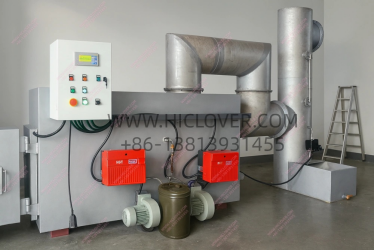
HICLOVER’s incinerators stand out in the market due to their robust engineering design and innovative technology. The incinerators are available in various configurations, including fixed and containerized models, allowing for flexible implementation across diverse industrial applications. This adaptability is crucial, particularly in remote sites such as mining or oil camps, where waste management solutions must be both efficient and easily deployable.

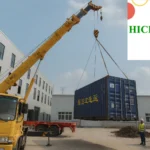
A significant advantage of HICLOVER waste incinerators is their **containerized modular systems**, which provide mobile plug-and-play capabilities. This design not only simplifies installation but also enhances operational versatility, making it feasible to relocate the units as needed. Additionally, with options for **wet or dry scrubbers**, users can select the technology that best meets their environmental compliance needs. The choice between scrubber types also reflects a growing trend towards ESG compliance in waste management.

Control Systems: PLC vs. Manual Operation

In modern waste management, the choice of control systems significantly influences operational efficiency. HICLOVER offers both programmable logic controller (PLC) automated systems and manual control options, catering to diverse operational preferences. PLC automation enhances accuracy and reliability, reducing the risk of human error while optimizing fuel consumption. The integration of digital automation within industrial equipment aligns with ongoing advancements in smart technology and energy recovery systems.

Maintenance and Support: Ensuring Longevity and Performance

The longevity of any incinerator hinges on its maintenance regime. HICLOVER places great emphasis on **incinerator maintenance services**, providing comprehensive support to ensure that systems remain operationally efficient. Regular maintenance not only extends the life of the equipment but also ensures compliance with regulatory requirements. By incorporating state-of-the-art monitoring systems, HICLOVER ensures that potential issues are identified and addressed proactively, thereby minimizing downtime.

The Economic and Environmental Impact of HICLOVER Waste Incinerators

As societal pressures mount regarding carbon emission reductions and sustainable waste management practices, HICLOVER waste incinerators demonstrate a commitment to environmental stewardship. The technology facilitates waste recovery by converting waste materials into usable energy, thus contributing to the global shift towards circular economy principles. Moreover, the **global export capability** of HICLOVER’s systems underscores their relevance across various markets facing unique waste management challenges.

Implementation of HICLOVER incinerators not only addresses waste disposal but also contributes positively to local economies by creating jobs associated with the operation and maintenance of these facilities. Their factory direct supply line ensures a stable supply chain, reducing reliance on third-party vendors and enhancing operational consistency.

Conclusion: A Reliable Partner in Waste Management

The integration of HICLOVER waste incinerators into waste management strategies empowers governments and regulatory bodies to effectively address the challenges of modern waste disposal. By leveraging advanced technologies and adhering to stringent industrial standards, HICLOVER presents a robust solution for waste recovery and environmental compliance. As the world continues to grapple with increasing waste generation, investing in reliable waste management infrastructure is more critical than ever. For further inquiries or detailed specifications, visit the HICLOVER website to explore comprehensive solutions tailored to your needs.
Frequently Asked Questions on HICLOVER Waste Incinerator Systems: A Technical Compendium

Frequently Asked Questions on HICLOVER Waste Incinerator Systems: A Technical Compendium

Modern thermal destruction technology is a critical component of integrated waste management strategies worldwide. HICLOVER, as a specialist manufacturer, provides advanced **waste incinerators** engineered to meet stringent environmental and operational standards. The engineering reliability of these systems is paramount, particularly when addressing hazardous materials where adherence to specific industrial benchmarks, such as **medical incinerator operating temperature standards**, is non-negotiable. These systems are designed for high-temperature oxidation, with primary combustion chambers typically operating around 850°C and secondary chambers reaching temperatures in excess of 1100°C to ensure the complete destruction of harmful compounds. This technical FAQ provides a detailed examination of the principles, configurations, and procurement processes associated with HICLOVER **waste incinerators**.

Foundational Principles and Technical Specifications of Waste Incinerators

Understanding the core technology behind modern **waste incinerators** is essential for selecting and operating a system that is both effective and compliant. The process is not merely combustion; it is a highly controlled thermal oxidation sequence designed to achieve maximum destruction efficiency while minimizing environmental impact. Key variables including temperature, gas residence time, and combustion air control are precisely managed to break down complex organic materials into simpler, inert components. HICLOVER’s design philosophy is rooted in these fundamental engineering principles, ensuring that each unit, from small-scale models to large industrial plants, performs reliably under demanding conditions. The focus on robust manufacturing and adherence to global standards differentiates a high-performance system from a basic combustion unit.

What are the core combustion principles of a modern incinerator?

The efficacy of high-temperature **waste incinerators** is governed by the “3 T’s” of combustion: Time, Temperature, and Turbulence. HICLOVER systems are engineered around a dual-chamber design that optimizes these three factors.
* **Temperature:** The primary chamber initiates combustion through a process of pyrolysis and gasification in a controlled, oxygen-starved environment, typically at temperatures around 800-850°C. The resultant volatile gases are then directed into the secondary chamber. Here, an excess of air and a dedicated burner rapidly elevate the temperature to 1100°C or higher. This high temperature is critical for destroying hazardous organic compounds, including dioxins and furans. * **Time:** To ensure complete thermal oxidation, flue gases must be held at this elevated temperature for a specific duration. International standards, such as those from the World Health Organization (WHO), often mandate a gas residence time of at least two seconds in the secondary chamber. This retention period guarantees the thermal breakdown of even the most persistent pollutants. * **Turbulence:** Vigorous mixing of combustion gases and air in the secondary chamber is essential to ensure that all particles are exposed to the high temperatures. This is achieved through carefully designed gas flow paths and air injection points, promoting complete and efficient combustion.
These principles are fundamental to the operation of all modern **waste incinerators**.

How do HICLOVER systems ensure regulatory compliance?

Regulatory compliance is a cornerstone of HICLOVER’s design and manufacturing process. The dual-chamber, high-temperature retention design is the primary mechanism for meeting stringent emission frameworks, including those set by the EU and WHO. By ensuring the complete destruction of pathogens and hazardous chemical compounds, the system inherently minimizes the formation of pollutants.
Beyond the core combustion process, HICLOVER **waste incinerators** can be equipped with advanced emission control systems. An **incinerator smoke filter**, for instance, is a critical component for capturing particulate matter (fly ash) before the flue gas is released. For more demanding regulatory environments, optional dry or wet scrubber systems are available. Dry scrubbers use powdered sorbents to neutralize acid gases like HCl and SOx, while wet scrubbers use a liquid spray to “wash” pollutants from the exhaust stream. With over 16 years of engineering experience, HICLOVER designs systems tailored to the specific regulatory landscape of the client’s location, whether for a **low-cost medical waste incinerator** in a developing region or a fully automated system in a highly regulated market.

What is the significance of the dual-chamber design?

The dual-chamber (or controlled-air) architecture is the globally recognized standard for safe and effective incineration. This design segregates the combustion process into two distinct stages, providing superior control and significantly

Global Nipah Virus Outbreak C Current Situation & Public Health Response

Global Nipah Virus Outbreak  C Current Situation & Public Health Response

In early 2026, a new outbreak of Nipah virus (NiV) has been confirmed in India’s West Bengal region, attracting urgent attention from global health authorities due to the virus’s high fatality and pandemic potential

Key Epidemiological Highlights (January 2026):

  • Multiple confirmed NiV cases have been reported in West Bengal, including healthcare workers, indicating human-to-human transmission in a clinical setting. 

  • Nearly 100 close contacts have been quarantined as a precautionary public health measure. 

  • Regional authorities in Thailand, Nepal and other neighbouring countries have strengthened airport and border health screenings, adopting COVID-style health checks to slow cross-border spread. 

  • The virus is zoonotic, typically found in fruit bats, but can infect humans via contaminated food or close contact with infected individuals. 

  • No approved vaccine or specific antiviral treatment exists; clinical care remains supportive. 

  • Reported mortality rates for Nipah outbreaks have historically been very high (40 %C75 %), prompting serious international concern. 

NiV’s Public Health Risk & Global Context:
The World Health Organization (WHO) classifies Nipah virus among viruses with pandemic potential, requiring vigilant surveillance and rapid response due to its ability to cause severe encephalitis and respiratory illness. 


Critical Role of Medical Waste Management in Nipah Virus Control

In outbreaks like Nipah, effective medical waste disposal is a cornerstone of infection prevention, particularly when healthcare systems are strained and infectious waste volumes increase.

Why Medical Waste Disposal Matters in NiV Outbreaks

Nipah virus outbreaks generate hazardous biological waste from:

  • Isolation wards

  • Personal protective equipment (PPE)

  • Contaminated syringes, bandages, and bedding

  • Laboratory cultures and clinical specimens

Improper disposal of such waste poses risk of:

  • Secondary transmission to healthcare workers and sanitation staff

  • Environmental contamination

  • Zoonotic spillover back to animals

High-Temperature Incineration: Gold Standard for Infectious Waste

For pathogens like NiV, high-temperature incineration is widely recognized as one of the most effective containment measures for infectious waste, as it:

  • Completely destroys organic pathogenic material at temperatures typically above 850 °C

  • Reduces waste volume drastically

  • Minimizes risk of pathogen survival post-treatment

  • Meets stringent environmental emission standards when equipped with advanced air control systems

Market trends indicate robust growth in the demand for high-temperature incinerators due to increasing regulatory emphasis on safe disposal of medical waste and infectious waste streams. 


HICLOVER Incinerators C Features & Application in NiV Response Scenarios

As public health urgency rises during outbreaks like NiV, HICLOVER’s range of industrial incineration solutions can support hospitals, emergency response units, and outbreak containment facilities with reliable waste destruction. Key features include:

1. High-Temperature Combustion Performance

  • Combustion chambers designed for consistent temperatures well above pathogen destruction thresholds

  • Multi-stage combustion ensures complete oxidation of infectious material

2. Versatile Fuel Options

  • Capable of operating on diesel, natural gas or LPG

  • Flexibility for areas with limited fuel logistics during emergencies

3. Strong Safety & Automated Control

  • PLC control systems for automated temperature regulation and safety controls

  • Redundant safety systems reduce operator intervention in high-risk zones

4. Optional Emission Control

  • Integration with wet scrubber systems and advanced air pollution controls minimizes particulate and gas emissions, compliant with strict environmental standards

5. Modular & Mobile Deployment

  • Containerized mobile incinerators and top-loading models can be rapidly deployed to outbreak hotspots, temporary field hospitals, and remote regions with constrained infrastructure

6. Multi-Chamber Combustion

  • Designed to handle diverse medical waste types (infectious, pathological, sharps), enhancing throughput during surges in waste volume associated with outbreaks


Strategic Value in Public Health and Emergency Response

During a Nipah virus outbreak, HICLOVER’s incineration solutions serve several strategic roles:

A. Protecting Healthcare Settings:

  • Safely treat contaminated PPE and clinical waste from infectious wards, reducing risk of intra-facility transmission.

B. Strengthening Containment Zones:

  • Portable units support isolation centers and quarantine facilities where on-site waste treatment is critical.

C. Supporting Regional Preparedness:

  • In countries with high outbreak risk, modular HICLOVER incinerators can be pre-positioned for rapid activation.

D. Regulatory Compliance Across Markets:

  • Designed with global emission control and safety compliance in mind, facilitating deployment in diverse jurisdictions.

To maximize relevance and search performance, this content includes key topical terms likely to align with current and emerging global search interest:

Nipah virus outbreak 2026, NiV public health response, infectious waste disposal, medical waste incineration solutions, high-temperature incinerators for virus outbreaks, mobile incinerator deployment, healthcare waste management during epidemics, pathogen destruction technologies, environmental compliance incinerators, HICLOVER incinerator features.

Mobile: +86-13813931455(WhatsApp)

Email:     [email protected]     
Email:     [email protected] 


2026-01-27/11:17:23

Incinerator Suppliers in Burundi: How to Source a Reliable Waste Incinerator for Hospitals, Cities, and Remote Projects

Incinerator Suppliers in Burundi: How to Source a Reliable Waste Incinerator for Hospitals, Cities, and Remote Projects

Across East Africa, waste management is becoming a practical priority tied to public health, urban development, and environmental responsibility. In Burundi, the demand for safe disposal solutions is rising in hospitals, municipal services, and remote institutions where collection capacity and landfill options remain limited.

For buyers searching online, the keyword trend is clear: incinerator suppliers in Burundi. Behind this search is a simple goal—finding a waste incinerator that is durable, easy to operate, and supported by a serious manufacturer rather than a short-term trader.

To review the market quickly, you can search here:
https://www.google.com/search?q=incinerator+suppliers+in+Burundi


Why Burundi Projects Still Rely on Waste Incinerator Solutions

In many real projects, waste is not uniform. It includes wet organic waste, packaging plastics, textiles, contaminated materials, and sometimes infectious healthcare waste. When transport distances are long and disposal infrastructure is limited, controlled on-site incineration becomes a direct and effective choice.

A modern waste incinerator can help Burundi facilities achieve:

  • Rapid waste volume reduction

  • Safer handling of infectious and hazardous waste

  • Better hygiene outcomes for hospitals and communities

  • Lower odor and smoke compared with open burning

  • Stable daily operation with automation support

This aligns with global “health security” and “environmental compliance” trends, especially for healthcare upgrades, emergency response readiness, and sustainable city development.


HICLOVER: Factory-Direct Incinerator Supplier for Burundi Buyers

When evaluating incinerator suppliers in Burundi, many procurement teams compare three categories:

  1. Local resellers with limited technical support

  2. Brokers using mixed factory materials

  3. Real manufacturers with export-grade engineering and documentation

HICLOVER belongs to the third category: a factory-based manufacturer specializing in waste incinerator systems for international projects. The advantage is straightforward—buyers receive factory configuration guidance, stable production standards, and long-term support logic.

HICLOVER product coverage includes:

  • Medical waste incinerator for clinics and hospitals

  • Animal waste incinerator for veterinary and municipal use

  • Municipal solid waste incinerator for public facilities and communities

  • Containerized mobile incinerator for fast overseas deployment

  • Automatic incinerator systems with PLC control

Official website:
https://www.hiclover.com/


Key Application Areas in Burundi

1) Hospitals, Clinics, and Infectious Waste Control

Healthcare waste is one of the most sensitive waste streams, especially where storage time must be minimized. A high-temperature medical waste incinerator supports safer destruction of contaminated materials, sharps waste packaging, and infectious residues.

Typical users include:

  • Public hospitals

  • Provincial clinics

  • Medical labs

  • NGO health programs

2) Municipal Waste and Community Disposal

Urban growth and lifestyle changes bring more mixed solid waste and plastic waste. A robust municipal waste incinerator helps manage daily waste volume where landfill capacity is not sufficient.

Typical users include:

  • Municipal services

  • Institutions and schools

  • Industrial parks

  • Residential and community centers

3) Remote Projects and Field Operations

Many Burundi projects operate far from centralized disposal sites. This makes mobile waste incinerator options increasingly attractive—especially systems designed for simplified setup and reduced installation workload.

Typical users include:

  • Remote camps and facilities

  • Construction and infrastructure sites

  • Agricultural and industrial operations

  • Border-region support stations


What Defines a High-Quality Waste Incinerator System

Dual-Chamber Combustion for Cleaner Burnout

A serious dual chamber incinerator uses two main stages:

  • Primary chamber: direct burning of waste

  • Secondary chamber: high-temperature oxidation of flue gas

This staged design supports:

  • Improved burnout quality

  • Reduced visible smoke

  • Better odor control stability

  • More reliable performance under variable waste conditions

PLC Automation: Less Operator Risk, More Daily Consistency

In many overseas projects, operator experience can vary. That is why PLC automatic control is a major upgrade from traditional manual systems.

A PLC-based waste incinerator helps manage:

  • Start/stop sequences

  • Temperature holding logic

  • Burner safety interlocks

  • Fan coordination and stable draft

  • Alarm protection and system status monitoring

Automation reduces human error and supports long-duty operation, especially in healthcare settings.

Modular Emission Control: Dry or Wet Treatment Options

Different sites require different compliance levels. HICLOVER provides flexible solutions such as:

  • Dry scrubber system (standard option): reliable neutralization approach, stable and cost-effective

  • Wet scrubber system (optional): stronger washing capability for demanding conditions

  • Multi-stage configurations for higher emission-control goals

This modular approach helps buyers avoid overpaying for unnecessary complexity while keeping upgrade options available.


Mobile, Plug-and-Play, and “No-Installation” Incinerator Trends

One of today’s strongest procurement trends is speed: fast deployment, low installation effort, and simplified commissioning. This trend matters in Burundi due to labor availability, logistics limits, and the need for reliable startup.

HICLOVER offers practical configurations such as:

  • Containerized waste incinerator systems

  • Plug-and-play incinerator modules

  • Skid-mounted solutions for simplified positioning

  • Field-friendly layouts designed for export projects

The key benefit is simple: arrive on site, connect essentials, and start operation with minimal civil work.


Factory Supply Advantages: What Burundi Buyers Gain

Choosing a factory-backed brand is not only about pricing—it is about reducing project risk.

HICLOVER factory supply advantages include:

  • Stable production and controlled workmanship

  • Professional selection guidance by waste type and capacity

  • Export-ready packing and shipping support

  • Clear spare parts logic and maintenance structure

  • Customization for fuel, voltage, and mobile configuration needs

For buyers in Burundi, this helps ensure the system performs not only on delivery day—but throughout real daily operation.


Fuel Options and Practical Operation

Depending on local availability, HICLOVER waste incinerators can be configured for:

  • Diesel fuel (common in remote and mobile applications)

  • Natural gas (when supply is stable)

  • LPG (widely used where cylinder supply is convenient)

This flexibility supports cost control and operational stability across different regions and project types.


Quick Checklist Before You Contact Incinerator Suppliers in Burundi

Before selecting a supplier, confirm:

  1. Waste type (medical, municipal, animal, mixed)

  2. Capacity target (kg/h or tons/day)

  3. Control preference (manual or automatic PLC)

  4. Emission control option (basic, dry scrubber, wet scrubber)

  5. Site limits (installation, power, fuel, operator skill level)

  6. Mobility needs (fixed, skid, trailer, containerized)

A supplier who can answer these clearly is usually the supplier who can deliver a stable solution.


Conclusion: A Smarter Way to Source a Waste Incinerator in Burundi

With rising healthcare demand, urban development, and stronger environmental awareness, the need for reliable waste disposal is increasing. For buyers searching incinerator suppliers in Burundi, the best choice is often a factory-backed manufacturer that can deliver high-temperature combustion design, automation, and modular emission-control options.

HICLOVER provides export-ready waste incinerator systems designed for hospitals, municipal operators, and remote projects—supported with practical configuration guidance and mobile plug-and-play solutions.

Official website:
https://www.hiclover.com/


Résumé (Français)

Pour les acheteurs recherchant des incinerator suppliers in Burundi, un waste incinerator fiable doit offrir une combustion haute température, une structure à double chambre, un contrôle PLC automatique et des options de traitement des fumées (sec ou humide). HICLOVER propose des systèmes exportables, mobiles et modulaires, adaptés aux hôpitaux, municipalités et sites isolés.

Resumen (Español)

Para quienes buscan incinerator suppliers in Burundi, es esencial elegir un waste incinerator con combustión de alta temperatura, doble cámara, automatización PLC y opciones modulares de control de emisiones (seco o húmedo). HICLOVER ofrece soluciones exportables, móviles y “plug-and-play” para hospitales, municipios y proyectos remotos.

Mobile: +86-13813931455(WhatsApp)

Email:     [email protected]     
Email:     [email protected] 


2026-01-20/00:55:50

Incinerator Suppliers in Iraq: How to Choose a Reliable Waste Incinerator Partner for Medical, Industrial, and Camp Waste

Incinerator Suppliers in Iraq: How to Choose a Reliable Waste Incinerator Partner for Medical, Industrial, and Camp Waste

Demand for safe waste disposal solutions in Iraq is rising across multiple sectors: hospitals and clinics managing infectious waste, oil & gas camps needing daily solid waste control, municipalities seeking cleaner community sanitation, and remote projects requiring fast-deployment equipment. In this environment, buyers searching for incinerator suppliers in Iraq are no longer comparing only price. They are comparing deployment speed, automation, reliability, after-sales capability, and compliance-ready system design.

HICLOVER supports Iraq and international markets with factory-built waste incinerator systems engineered for practical on-site use, including mobile, modular, and plug-and-play incinerator configurations that reduce installation burden and shorten commissioning time.


Why “Incinerator Suppliers in Iraq” Must Offer More Than a Furnace

In Iraq, a waste incinerator is often required to run under tough real-world conditions: high ambient temperatures, variable fuel quality, remote logistics, limited operator availability, and unpredictable waste composition. That is why modern projects increasingly prioritize:

  • Stable high-temperature combustion to improve burnout quality

  • Low-odor operation for sensitive sites near hospitals or camp housing

  • PLC automation to reduce operator error and ensure repeatable cycles

  • Expandable emission control for stricter environmental expectations

  • Fast deployment and easy relocation for project-based operations

A supplier who can deliver a complete system solution, not just a basic chamber, will reduce total risk for the buyer.


HICLOVER Waste Incinerator Systems for Iraq Applications

HICLOVER is a manufacturer focused on export-ready solid waste incineration equipment. Our design philosophy is direct: build systems that are reliable in the field, easy to operate, and practical to ship and install.

1) Medical & Infectious Waste Incineration

Hospitals, clinics, emergency response centers, and healthcare networks often require controlled destruction of infectious waste. HICLOVER medical waste incinerator solutions emphasize:

  • Dual-chamber or multi-stage combustion for complete oxidation

  • High-temperature secondary combustion to reduce odor and organic carryover

  • Stable operation under variable waste moisture content

  • PLC control logic for safer, standardized operation

This helps reduce visible smoke, improves burnout consistency, and supports compliance-oriented system layouts.

2) Camp Solid Waste: Oilfield, Construction, and Remote Living Areas

Worker camps and remote logistics sites need a system that is fast to deploy, easy to relocate, and simple to maintain. A mobile waste incinerator is often the most realistic choice when landfill access is limited or transport distances are high.

HICLOVER provides containerized and mobile incinerator configurations designed for:

  • Oil & gas field camps

  • Desert exploration and drilling bases

  • Remote construction and infrastructure projects

  • Temporary worker camps and accommodation clusters

These solutions are designed for daily mixed solid waste and packaging waste, with stable performance and reduced operator workload.

3) Industrial and General Waste Disposal

Industrial sites may generate mixed waste streams such as packaging waste, contaminated materials, general production scrap, and non-recyclable residues. HICLOVER can supply heavy-duty waste incinerator systems with optional downstream treatment modules depending on project requirements.


Automation: PLC Control That Makes Field Operation Easier

One of the biggest differences between basic incinerators and export-grade incinerator systems is how the equipment is controlled. For many buyers in Iraq, experienced operators may not always be available—so control stability becomes essential.

HICLOVER PLC automation supports:

  • Automatic start/stop sequence logic

  • Temperature-based combustion management

  • Safety interlocks and fault alarms

  • Repeatable operation cycles for consistent results

  • Reduced operator intervention for long-duty work

This automation approach improves operational safety and makes performance easier to standardize across multiple sites.


Modular & Plug-and-Play: Why It Matters for Iraq Projects

Many projects in Iraq are time-sensitive and logistics-driven. Civil works, foundations, and long installation schedules may be unrealistic. That is why a growing number of buyers now prefer modular waste incinerator systems or a plug-and-play containerized incinerator.

HICLOVER modular advantages include:

  • Factory pre-integration to reduce on-site assembly

  • Faster deployment for urgent projects and emergency response

  • Simplified transport and lifting using standard logistics equipment

  • Relocation capability when project locations change

  • Lower reliance on specialized installers

This is especially relevant for today’s trends: infrastructure acceleration, humanitarian deployments, and mobile camp management where speed and simplicity matter.


Emission Control Options: Practical, Scalable System Design

Different sites require different levels of flue-gas treatment. Some projects prioritize basic smoke reduction and odor control, while others require a more advanced compliance-ready layout.

HICLOVER systems can be configured with scalable emission control modules such as:

  • Gas cooling or conditioning stages

  • Wet scrubber systems for specific requirements

  • Dust control modules depending on project targets

  • Optional advanced treatment combinations for higher compliance demands

The key is a system approach: combustion stability first, then scalable gas treatment based on the buyer’s standard and budget.


Factory-Supply Advantages: Why Buyers Prefer Direct Manufacturers

When searching incinerator suppliers in Iraq, many customers want direct factory support because it reduces risk in four critical areas:

  1. Engineering consistency
    Factory-built systems follow repeatable design standards, stable fabrication control, and structured testing routines.

  2. Export experience and documentation
    A manufacturer who regularly exports can support packing, shipping readiness, and commercial documentation more smoothly.

  3. Better long-term spare parts planning
    Direct suppliers can provide structured spare parts lists and faster technical support for maintenance cycles.

  4. Customization without losing reliability
    A true manufacturer can adapt fuel choice, voltage, capacity, mobility form, and flue-gas options while keeping the system stable and maintainable.

For procurement teams, this directly affects the project’s operational uptime and total cost of ownership.


One Link to Start Comparing Options in the Market

BING Search: incinerator+suppliers+in+Iraq


Why HICLOVER Is a Competitive Choice for Iraq Buyers

HICLOVER focuses on practical incineration solutions for real operating environments, combining:

  • Waste incinerator engineering for medical, camp, and industrial use

  • High-temperature, staged combustion options

  • PLC automation for safer, repeatable operation

  • Mobile and modular configurations for fast deployment

  • Factory supply strength for export projects

For project buyers, NGOs, contractors, and institutional procurement teams, choosing the right incinerator supplier is not just a purchase—it is securing long-term operational stability.

Learn more about HICLOVER waste incinerator systems here: https://www.hiclover.com/


Résumé en français (court)

HICLOVER propose des solutions de waste incinerator adaptées à l’Irak, avec des configurations mobiles, modulaires et plug-and-play. Les systèmes intègrent une combustion haute température, un contrôle PLC automatique, et des options évolutives de traitement des fumées pour répondre aux besoins des hôpitaux, camps et sites industriels.

Resumen en español (corto)

HICLOVER ofrece soluciones de waste incinerator para Irak con diseños móviles, modulares y plug-and-play, control PLC automático, combustión de alta temperatura y opciones de tratamiento de gases. Es una opción sólida para hospitales, campamentos y proyectos industriales que necesitan instalación rápida y operación confiable.

Mobile: +86-13813931455(WhatsApp)

Email:     [email protected]     
Email:     [email protected] 


2026-01-19/15:02:52

Medical Waste Incinerator Wet Scrubbing Systems in Ghanaian Hospital Settings

Medical Waste Incinerator Wet Scrubbing Systems in Ghanaian Hospital Settings

In hospital compounds, waste handling is closely linked to daily infection control. Used syringes, contaminated dressings, pharmaceutical residues, and pathological waste cannot be stored for extended periods without increasing operational risk. In many healthcare facilities across Ghana, incineration remains a realistic and widely adopted treatment method because it allows immediate on-site disposal under controlled thermal conditions.

As hospitals expand and public attention to visible smoke and odor increases―particularly in urban and peri-urban areas―technical interest has grown around the medical waste incinerator wet scrubbing system Ghana. Searches for this topic are often driven by engineering teams and NGOs evaluating how emission control can be strengthened without over-complicating daily operation.


Operational Drivers Behind Wet Scrubbing Selection

Hospital incinerators operate close to patient wards, staff housing, or neighboring communities. Concerns raised by administrators often focus on black smoke during start-up, acidic odors, and overall safety for operators.

Wet scrubbing systems are introduced to address these concerns at the flue-gas stage, rather than altering the core combustion process. In Ghanaian hospitals, where facility scale and budget vary widely, wet scrubbing is typically evaluated as an optional enhancement rather than a default requirement.


Combustion Foundation Before Gas Treatment

Dual-Chamber Incineration Structure

Before any scrubbing system is applied, the combustion foundation remains critical. Hospital incinerators commonly use a dual-chamber layout. The primary chamber handles direct combustion of medical waste at temperatures around 850 °C, ensuring effective destruction of infectious materials.

A secondary chamber is installed downstream and operates at higher temperatures, often approaching 1100 °C. Its role is to re-burn flue gases released from the first stage. This secondary oxidation step reduces incomplete combustion products and stabilizes the exhaust stream before it enters any gas treatment equipment. This configuration is a commonly adopted configuration for hospitals and is designed in line with common healthcare waste management practices.


Wet Scrubbing System Function in Hospital Applications

A medical waste incinerator wet scrubbing system typically combines several functions into a compact assembly. Hot flue gas first passes through a quench section where temperature is rapidly reduced. This protects downstream components and limits thermal stress.

Following quenching, the gas enters a washing zone where contact with scrubbing liquid allows acidic components and fine particulates to be absorbed. Depending on project design, neutralization agents may be used in the liquid circuit. The treated gas is then discharged through an induced draft fan and chimney.

In documentation, wet scrubbers are described as functional modules rather than absolute emission guarantees, allowing project owners to align system complexity with local expectations and maintenance capacity.


Automation and Control Integration

Wet scrubbing systems in hospital incinerators are typically integrated into the same PLC control architecture as the combustion system. The PLC coordinates burner operation, chamber temperature monitoring, and auxiliary equipment such as pumps and fans.

For hospitals with limited technical staff, this integration is important. Automated sequencing ensures that the scrubber operates only when required and follows safe start-up and shutdown logic. This reduces manual intervention and supports consistent daily operation.


Diesel Operation and Infrastructure Constraints

Many hospitals operate under unstable power conditions, especially outside major cities. Diesel-fired incinerators remain practical because combustion stability does not depend on grid reliability. Electrical demand is largely limited to control systems and auxiliaries, which can be supported by existing generators.

Wet scrubbing systems are therefore designed with realistic power and water consumption in mind, recognizing that infrastructure constraints influence long-term operability as much as initial technical design.


Application Across Different Hospital Scales

  • Small hospitals and clinics may rely on dry gas treatment or simplified wet systems due to limited space and staffing.

  • Regional hospitals often evaluate wet scrubbing to address community concerns related to odor and visible emissions.

  • Teaching hospitals typically request more detailed system descriptions to support operator training and internal review.

Across these applications, wet scrubbing is positioned as an adaptable solution rather than a fixed standard.


HICLOVER Manufacturing Perspective

HICLOVER operates as a manufacturing factory supplying standardized medical waste incinerator systems with optional wet scrubbing configurations for export markets. Its approach focuses on repeatable system layouts, documented operating logic, and remote technical coordination rather than project-specific experimentation.

General technical information, configuration options, and system overviews are available through the official website:
https://www.hiclover.com/

This documentation-driven approach supports hospitals, EPC contractors, and NGOs conducting technical evaluations through English-language searches.


Practical Evaluation Considerations

When reviewing a medical waste incinerator wet scrubbing system in Ghana, decision-makers often focus on how emission control integrates with daily hospital routines. Combustion stability, automation level, maintenance effort, and operator safety tend to weigh more heavily than theoretical performance claims.

For healthcare facilities balancing infection control, infrastructure limitations, and community sensitivity, wet scrubbing systems represent a technical option that can be scaled to match real operating conditions rather than idealized assumptions.

Mobile: +86-13813931455(WhatsApp)

Email:     [email protected]     
Email:     [email protected] 


2026-01-09/14:21:00

Incinerator Suppliers in Gabon: Advanced Waste Incinerator Solutions for Sustainable Development

Incinerator Suppliers in Gabon: Advanced Waste Incinerator Solutions for Sustainable Development


As Central Africa accelerates investment in healthcare, environmental protection, and resilient infrastructure, Gabon is placing greater emphasis on controlled waste treatment. From hospitals and laboratories to municipal services and industrial facilities, demand for reliable waste incinerator systems is growing. This has made incinerator suppliers in Gabon a frequently searched topic among government agencies, NGOs, and private operators looking for long-term, compliant solutions.

HICLOVER responds to this demand as a factory-based manufacturer, supplying industrial incineration systems designed for automation, mobility, and rapid deployment in diverse operating environments.


Why Gabon Is Investing in Modern Incineration

Several converging trends are shaping Gabon’s waste management strategy:

  • Expansion of public and private healthcare facilities

  • Increasing attention to environmental protection and emissions control

  • Urban population growth and concentrated waste streams

  • Preference for modular infrastructure that can be deployed quickly

In this context, incineration remains a proven method for the safe destruction of medical, hazardous, and special waste when supported by modern control and combustion technology.


HICLOVER’s Factory-Supply Advantage

For organizations evaluating incinerator suppliers in Gabon, the difference between a manufacturer and a reseller is significant. HICLOVER operates as a direct production source, offering:

  • Stable specifications with controlled component sourcing

  • Direct access to engineering and technical documentation

  • Custom-built systems based on waste type and site conditions

  • Long-term spare parts support and technical continuity

An overview of the manufacturer, product range, and technical philosophy is available at
https://www.hiclover.com/


Application Areas of Waste Incinerators in Gabon

HICLOVER waste incinerators are applied across multiple sectors relevant to Gabon’s development priorities:

Healthcare and Medical Waste
Safe incineration of infectious waste, sharps, pharmaceuticals, and pathological materials using dual-chamber systems and automated temperature control.

Municipal and Community Waste
Compact to mid-capacity incinerators for towns and cities where landfill options are limited or environmentally sensitive.

Industrial and Special Waste
Controlled destruction of production residues, expired products, and regulated waste streams.

Emergency and Remote Operations
Mobile and containerized incinerators for remote sites, camps, and temporary facilities.


Mobile, Modular, and Installation-Free Concepts

Modern infrastructure projects increasingly favor flexibility. HICLOVER integrates this approach into its waste incinerator designs:

  • Containerized mobile incinerators for rapid transport and setup

  • Skid-mounted and trailer-mounted configurations

  • Modular systems requiring minimal civil works

  • Plug-and-operate designs reducing on-site installation time

These features are especially relevant in regions where logistics, timelines, and site conditions vary significantly.


Automation and Technical Strengths

Automation is central to HICLOVER’s engineering approach:

  • PLC-based control systems with real-time temperature display

  • Automatic burner sequencing and safety interlocks

  • Stable combustion control to optimize fuel efficiency

  • Optional data logging for environmental reporting and audits

Technically, systems emphasize:

  • High-grade refractory linings for long service life

  • Multi-stage combustion for complete oxidation

  • Optional flue-gas treatment modules depending on project requirements

This aligns with global trends toward smart infrastructure, operational transparency, and reduced operator dependency.


Choosing the Right Incinerator Supplier in Gabon

When comparing incinerator suppliers in Gabon, experienced buyers focus on lifecycle reliability rather than short-term cost. Key evaluation points include:

  • Manufacturer capability versus intermediary sourcing

  • Experience exporting to Africa and similar climates

  • Availability of mobile and modular solutions

  • Documentation, drawings, and operator training support

Factory-direct suppliers reduce technical risk and ensure long-term operational stability.


Search Visibility and Market Interest

Growing attention to Gabon’s waste infrastructure is reflected in online search activity. A live Google search reference for this topic is available here:
https://www.google.com/search?q=incinerator+suppliers+in+gabon

This trend mirrors broader regional investment in healthcare resilience, environmental compliance, and sustainable development.


Conclusion

As Gabon continues to strengthen its waste management framework, modern waste incinerator technology plays a critical role. For organizations seeking dependable incinerator suppliers in Gabon, factory-based manufacturers like HICLOVER provide automation, modular flexibility, and technical depth suited to both current operational needs and future growth.


Résumé en français
Au Gabon, la gestion des déchets évolue vers des solutions d’incinération modernes, automatisées et modulaires. Les fournisseurs directs d’usine offrent fiabilité, rapidité de déploiement et support technique durable.

Resumen en español
En Gabón, los incineradores modernos son clave para la gestión sanitaria y ambiental. Los proveedores de fábrica con sistemas móviles y automatizados garantizan eficiencia, flexibilidad y soporte a largo plazo.

Mobile: +86-13813931455(WhatsApp)

Email:     [email protected]     
Email:     [email protected] 


2026-01-09/09:09:20

Incinerator Items/Model

HICLOVER TS100(PLC)


Burn Rate (Average)

100kg/hour

Feed Capacity(Average)

150kg/feeding

Control Mode

PLC Automatic

Intelligent Sensor

Continuously Feeding with Worker Protection

High Temperature Retention(HTR)

Yes (Adjustable)

Intelligent Save Fuel Function

Yes

Primary Combustion Chamber

1200Liters(1.2m3)

Internal Dimensions

120x100x100cm

Secondary Chamber

600L

Smoke Filter Chamber

Yes

Feed Mode

Manual

Burner Type

Italy Brand

Temperature Monitor

Yes

Temperature Thermometer

Corundum Probe Tube, 1400℃Rate.

Temperature Protection

Yes

Automatic Cooling

Yes

Automatic False Alarm

Yes

Automatic Protection Operator(APO)

Yes

Time Setting

Yes

Progress Display Bar

3.7 in” LCD Screen

Oil Tank

200L

Chimney Type

 Stainless Steel 304

1st. Chamber Temperature

800℃–1000℃

2nd. Chamber Temperature

1000℃-1300℃

Residency Time

2.0 Sec.

Gross Weight

7000kg

External Dimensions

270x170x190cm(Incinerator Main Body)

Burner operation

Automatic On/Off

Dry Scrubber

Optional

Wet Scrubber

Optional

Top Loading Door

Optional

Asbestos Mercury Material

None

Heat Heart Technology(HHT)

Optional

Dual Fuel Type(Oil&Gas)

Optional

Dual Control Mode(Manual/Automatic)

Optional

Temperature Record

Optional

Enhanced Temperature Thermometer

Optional

Incinerator Operator PPE Kits

Optional

Backup Spare Parts Kits

Optional

Mobile Type

Optional:Containerized/Trailer/Sledge Optional

Tanzania Waste Incinerator Market Report: Characteristics, Demand Trends, and Applicability of Modern Incineration Solutions

Tanzania Waste Incinerator Market Report: Characteristics, Demand Trends, and Applicability of Modern Incineration Solutions


1. Overview of Tanzania’s Waste Management Landscape
Tanzania, with major cities such as Dar es Salaam, Dodoma, Arusha, Mwanza, and Zanzibar, is experiencing rapid population growth and expanding public-health infrastructure. These factors significantly increase the amount of municipal, biomedical, industrial, and community-generated waste. Many regions still rely on open dumping or uncontrolled burning, especially in peri-urban zones such as Temeke, Ilala, and Kinondoni, creating long-term environmental and public health challenges.

The Government of Tanzania―supported by institutions including the United Nations, WHO, UNDP, and numerous humanitarian agencies―has been promoting safer and more compliant waste-disposal strategies. Incineration technology has therefore become a key component in national and donor-funded waste-management planning.


2. Key Market Characteristics
The waste incinerator market in Tanzania displays several notable structural features:

  • Mixed and high-moisture waste streams, particularly in Dar es Salaam and coastal regions.

  • Significant medical waste volume from hospitals in Dodoma, Arusha, Morogoro, and Mwanza.

  • Decentralized health facilities, including rural clinics across Kilimanjaro, Tanga, and Shinyanga, which require compact and easily operated incinerators.

  • Increasing environmental compliance, influenced by global health programs, UN-backed tenders, and institutional procurement standards.

These characteristics create consistent demand for engineered systems capable of stable combustion, low emissions, and reliable performance in hot, humid, or remote environments.


3. Market Demand and Emerging Trends
Multiple drivers are shaping the growth trajectory of Tanzania’s incinerator market:

  1. Healthcare modernization
    Expansion of regional hospitals, including facilities in Arusha and Mwanza, increases the need for compliant biomedical waste destruction.

  2. Humanitarian response and refugee-support operations
    UN agencies working in Kigoma, Kasulu, and Tanga require standardized incineration solutions for field clinics, temporary settlements, and emergency medical operations.

  3. Urbanization and industrialization
    Rapid growth in Dar es Salaam generates large volumes of mixed municipal waste, pushing local authorities to explore high-capacity, fuel-efficient incinerators.

  4. Environmental and regulatory reinforcement
    Donor-funded programs emphasize emissions control, ash handling safety, and consistent high-temperature operation.


4. Suitability of Incineration Technology for Tanzania’s Local Conditions
Tanzania’s waste composition and climate conditions require incinerator systems with:

  • Secondary combustion capability for complete burnout of low-calorific or wet waste.

  • Diesel, LPG, or natural gas burners to stabilize combustion when moisture content is high.

  • Top-loading or batch-loading chambers suitable for community waste, animal waste, or large medical waste bags.

  • Mobile or containerized solutions that reduce civil-works requirements in rural districts.

These attributes correspond directly to the systems often deployed by UN missions and NGO logistics teams operating across East Africa.


5. HICLOVER Incinerators: Strengths for the Tanzanian Market
HICLOVER provides a range of incineration technologies that align with Tanzania’s operational requirements:

  • Top-loading incinerators suitable for bulky municipal waste in cities such as Dar es Salaam and Mwanza.

  • Medical waste models with multi-chamber combustion, ideal for hospitals in Dodoma, Arusha, and Morogoro.

  • Containerized mobile incinerators, preferred by NGOs, refugee-camp operators, and UN field missions.

  • Dry and wet gas-cleaning systems, supporting projects with higher emissions-control requirements.

  • Durable refractory structures and PLC-controlled burners, essential for long-term operation under demanding field conditions.

To support SEO structure, the following keyword-linked references point to your HICLOVER domain:

  • medical waste incinerator in Tanzania

  • top-loading waste incinerator

  • containerized incinerator solution

  • solid waste incinerator system

  • Tanzania waste treatment equipment

All links remain within the HICLOVER ecosystem and support keyword relevance.


6. Additional Highlight: Waste Treatment in Tanzania’s Coastal and Island Zones
Coastal cities―especially Dar es Salaam and Zanzibar―face unique environmental sensitivities. Tourism, fishing industries, and densely populated waterfront districts require stringent waste handling to protect coastal ecosystems. Incinerators designed for rapid ignition, reduced emissions, and minimal odor are especially valuable in locations where proximity to residential areas and marine habitats requires tighter operational control.


7. Market Outlook
Tanzania’s incinerator market is expected to expand steadily due to:

  • Continued investment in national and district-level healthcare infrastructure.

  • Growing involvement of the United Nations, especially in public-health projects and humanitarian logistics.

  • Rising environmental awareness among local authorities and development partners.

  • Increased demand for mobile systems capable of serving dispersed rural populations.

  • Government support for regulated and safe medical waste treatment.

These conditions position Tanzania as a high-potential and stable market for modern waste incineration technology.

Tanzania’s evolving waste-management framework presents strong demand for reliable, compliant, and adaptable incinerator solutions. From the urban centers of Dar es Salaam, Dodoma, and Arusha to remote communities across Kigoma and Tanga, engineered incineration systems offer a practical path toward safe waste destruction.

HICLOVER’s versatile product range―with top-loading options, medical-grade combustion systems, and mobile containerized units―aligns with both government and UN procurement requirements. Their technical durability and operational flexibility make them well suited to long-term waste-management strategies in Tanzania.

Mobile: +86-13813931455(WhatsApp)

Email:     [email protected]     
Email:     [email protected] 


2025-12-11/14:29:51

Incinerator Items/Model

HICLOVER TS100(PLC)


Burn Rate (Average)

100kg/hour

Feed Capacity(Average)

150kg/feeding

Control Mode

PLC Automatic

Intelligent Sensor

Continuously Feeding with Worker Protection

High Temperature Retention(HTR)

Yes (Adjustable)

Intelligent Save Fuel Function

Yes

Primary Combustion Chamber

1200Liters(1.2m3)

Internal Dimensions

120x100x100cm

Secondary Chamber

600L

Smoke Filter Chamber

Yes

Feed Mode

Manual

Burner Type

Italy Brand

Temperature Monitor

Yes

Temperature Thermometer

Corundum Probe Tube, 1400℃Rate.

Temperature Protection

Yes

Automatic Cooling

Yes

Automatic False Alarm

Yes

Automatic Protection Operator(APO)

Yes

Time Setting

Yes

Progress Display Bar

3.7 in” LCD Screen

Oil Tank

200L

Chimney Type

 Stainless Steel 304

1st. Chamber Temperature

800℃–1000℃

2nd. Chamber Temperature

1000℃-1300℃

Residency Time

2.0 Sec.

Gross Weight

7000kg

External Dimensions

270x170x190cm(Incinerator Main Body)

Burner operation

Automatic On/Off

Dry Scrubber

Optional

Wet Scrubber

Optional

Top Loading Door

Optional

Asbestos Mercury Material

None

Heat Heart Technology(HHT)

Optional

Dual Fuel Type(Oil&Gas)

Optional

Dual Control Mode(Manual/Automatic)

Optional

Temperature Record

Optional

Enhanced Temperature Thermometer

Optional

Incinerator Operator PPE Kits

Optional

Backup Spare Parts Kits

Optional

Mobile Type

Optional:Containerized/Trailer/Sledge Optional