








Latest Post
Modular Waste Incineration Systems for Emergency Relief and Epidemic Prevention Centers
Modular Waste Incineration Systems for Emergency Relief and Epidemic Prevention Centers
Governments and health authorities worldwide are strengthening emergency response and epidemic prevention logistics. Central and regional disaster-relief storage centers accumulate large quantities of protective suits, masks, and reagent packaging during disease outbreaks and public health emergencies. The proper disposal of these materials―especially contaminated or expired items―is essential to prevent secondary infection and environmental contamination. The HICLOVER modular incinerator system offers a fast-deployable, high-temperature solution for emergency waste management across Asia, Africa, and Latin America.
The Need for Rapid and Safe Emergency Waste Treatment
During events such as pandemic surges, quarantine operations, or disaster recovery, emergency storage bases and medical logistics warehouses must handle waste quickly and securely. Open burning or conventional landfilling can release pathogens or chemical residues. In regions like Philippines, Kenya, and Saudi Arabia, the establishment of epidemic prevention material depots has highlighted the importance of on-site incineration systems that are both modular and mobile.
HICLOVER addresses these challenges with containerized or skid-mounted modular incineration units, designed for quick installation, easy relocation, and low operational complexity―ideal for emergency deployment scenarios.
HICLOVER Modular Incinerator Features
The HICLOVER modular incinerator integrates a high-efficiency combustion system with automated control and emissions safety. Core features include:
-
Primary combustion chamber (850C950 °C) for general medical and PPE waste.
-
Secondary combustion chamber (≥1100 °C, ≥2 s retention) for complete gas oxidation.
-
PLC automatic control with real-time temperature monitoring.
-
Preassembled modular design for field installation within 24C48 hours.
-
Fuel flexibility: supports diesel, LPG, or natural gas.
-
Optional dry scrubber or activated carbon filtration module for clean exhaust.
-
Containerized structure with anti-corrosion treatment for outdoor or tropical storage.
This configuration ensures complete thermal destruction of infectious and chemical residues while remaining transportable and low-maintenance.
Application in Emergency and Epidemic Management
HICLOVER systems are suitable for:
-
National disease control material reserves and epidemic response warehouses.
-
Regional emergency logistics bases supporting hospitals and field clinics.
-
Mobile quarantine camps and temporary treatment zones during pandemics or disasters.
In countries such as Malaysia, Ethiopia, and Colombia, modular incineration units enable authorities to deploy full waste-treatment capacity within hours, without the need for permanent construction.
Environmental and Operational Advantages
-
Complete sterilization of biological waste and PPE materials.
-
Fast installation and immediate start-up with minimal civil work.
-
Compact and transportable for multi-site use.
-
Reduced risk of cross-contamination in temporary response sites.
-
Compliance with WHO and GB 18484-2020 emission standards.
By combining modular structure with automated control, HICLOVER provides a flexible system for national and regional emergency preparedness, ensuring environmental safety and operational resilience.
Reliable Partner for Emergency and Health Infrastructure
HICLOVER’s technology is trusted globally for containerized and mobile incineration solutions, supporting governments, humanitarian agencies, and health departments in managing high-risk waste efficiently. With experience in over 40 countries, HICLOVER continues to provide modular environmental systems that integrate incineration, filtration, and emission control for critical response applications.
Learn more about available configurations and technical specifications at:
www.hiclover.com | Modular Incinerator Systems | Emergency Waste Solutions | CloverFilter Air Filtration Units | Contact HICLOVER
Keywords: modular incinerator, emergency waste treatment, epidemic prevention equipment disposal, containerized incineration system, PPE waste management, HICLOVER environmental technology, disaster relief waste solution.
2025-11-03/11:15:33
|
Incinerator Items/Model |
HICLOVER TS100(PLC)
|
|
Burn Rate (Average) |
100kg/hour |
|
Feed Capacity(Average) |
150kg/feeding |
|
Control Mode |
PLC Automatic |
|
Intelligent Sensor |
Continuously Feeding with Worker Protection |
|
High Temperature Retention(HTR) |
Yes (Adjustable) |
|
Intelligent Save Fuel Function |
Yes |
|
Primary Combustion Chamber |
1200Liters(1.2m3) |
|
Internal Dimensions |
120x100x100cm |
|
Secondary Chamber |
600L |
|
Smoke Filter Chamber |
Yes |
|
Feed Mode |
Manual |
|
Burner Type |
Italy Brand |
|
Temperature Monitor |
Yes |
|
Temperature Thermometer |
Corundum Probe Tube, 1400℃Rate. |
|
Temperature Protection |
Yes |
|
Automatic Cooling |
Yes |
|
Automatic False Alarm |
Yes |
|
Automatic Protection Operator(APO) |
Yes |
|
Time Setting |
Yes |
|
Progress Display Bar |
3.7 in” LCD Screen |
|
Oil Tank |
200L |
|
Chimney Type |
Stainless Steel 304 |
|
1st. Chamber Temperature |
800℃–1000℃ |
|
2nd. Chamber Temperature |
1000℃-1300℃ |
|
Residency Time |
2.0 Sec. |
|
Gross Weight |
7000kg |
|
External Dimensions |
270x170x190cm(Incinerator Main Body) |
|
Burner operation |
Automatic On/Off |
|
Dry Scrubber |
Optional |
|
Wet Scrubber |
Optional |
|
Top Loading Door |
Optional |
|
Asbestos Mercury Material |
None |
|
Heat Heart Technology(HHT) |
Optional |
|
Dual Fuel Type(Oil&Gas) |
Optional |
|
Dual Control Mode(Manual/Automatic) |
Optional |
|
Temperature Record |
Optional |
|
Enhanced Temperature Thermometer |
Optional |
|
Incinerator Operator PPE Kits |
Optional |
|
Backup Spare Parts Kits |
Optional |
|
Mobile Type |
Optional:Containerized/Trailer/Sledge Optional |
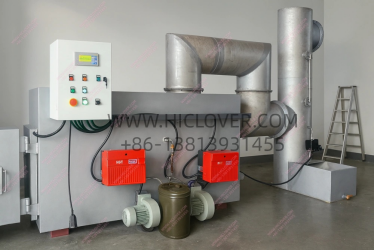

Mobile and Containerized Incinerator Solutions for Kenya’s Referral Hospitals and Emergency Camps
Mobile and Containerized Incinerator Solutions for Kenya’s Referral Hospitals and Emergency Camps
Kenya’s healthcare system and humanitarian operations face growing pressure to manage infectious and hazardous waste safely. With referral hospitals in Nairobi, Kisumu, and Mombasa handling large volumes of medical waste, and with UN emergency camps operating in northern Kenya, there is an urgent need for mobile incinerator solutions that can be rapidly deployed, safely operated, and maintained under demanding conditions. HICLOVER provides internationally recognized incineration technology designed to meet these challenges.
Mobile Incinerator for Kenya Referral Hospitals
A mobile incinerator for Kenya referral hospitals offers flexibility and reliability for facilities that process hundreds of kilograms of medical waste daily. Unlike fixed concrete installations, mobile units can be installed within existing hospital compounds or relocated if required. This mobility is critical in Kenya’s evolving healthcare infrastructure, where regional hospitals must adapt to shifting patient loads and waste generation patterns.
HICLOVER’s incinerators are built with high-capacity combustion chambers, refractory linings, and dual-chamber high-temperature systems to guarantee complete destruction of sharps, plastics, and pathological waste. These units achieve combustion temperatures above 1100°C, reducing waste volume by up to 90% while ensuring emissions remain within international standards.
Containerized Mobile Incinerator for UN Emergency Camps in Kenya
In humanitarian response scenarios, especially in UN-supported refugee settlements in Kakuma and Dadaab, the availability of containerized mobile incinerators for UN emergency camps in Kenya is vital. Containerized designs allow for rapid shipment and installation, often within 24C48 hours. These self-contained units arrive pre-assembled in ISO shipping containers, complete with burners, chimneys, control systems, and optional wet scrubber units.
This format ensures that NGOs and international aid agencies can deploy robust waste treatment systems directly to field locations, minimizing logistical complexity and ensuring safe disposal of infectious materials under crisis conditions.
Humanitarian Relief Incinerator Supply for Kenya and Uganda
Cross-border emergency operations often require standardized solutions. Kenya humanitarian relief incinerator for emergency response programs frequently extend into Uganda, where refugee camps and remote hospitals face the same waste management challenges. HICLOVER has supplied multiple incinerators to humanitarian projects across Africa, offering plug-and-play systems with diesel or LPG burners, PLC automation, and integrated safety sensors for reliable operation in remote conditions.
These systems are particularly relevant for donor-funded projects where transparency, performance, and compliance with WHO and UNEP guidelines are mandatory.
HICLOVER Model TS300: A Containerized Solution for East Africa
The HICLOVER TS300 incinerator is an excellent example of a system adapted for East African conditions:
-
Burn rate: 250C300 kg/hour, ideal for referral hospitals and large camps.
-
Containerized design: pre-installed in a 20ft or 40ft ISO container, ready for transport and field deployment.
-
PLC-controlled system: automated burner ignition, air distribution, and temperature monitoring.
-
Secondary combustion chamber: guarantees minimum 2-second flue gas retention at 1100°C for dioxin control.
-
Optional wet scrubber and filtration: ensures emissions meet strict donor project requirements.
Conclusion
From mobile incinerators for Kenya referral hospitals to containerized mobile incinerators for UN emergency camps, HICLOVER provides sustainable, practical solutions for East Africa’s healthcare and humanitarian sectors. The deployment of Kenya humanitarian relief incinerators for emergency response ensures that both hospitals and aid organizations can manage medical waste safely, efficiently, and in compliance with international standards.
For more information on containerized and mobile models such as the HICLOVER TS300, visit www.hiclover.com or contact [email protected].
mobile incinerator for kenya referral hospitals,containerized mobile incinerator for un emergency camps kenya,kenya humanitarian relief incinerator for emergency response
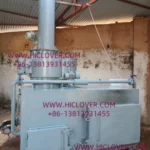
Advanced Waste Management Incinerator Solutions in Tanzania
Advanced Waste Management Incinerator Solutions in Tanzania: HICLOVER’s High-Temperature Technology
Tanzania, as one of East Africa’s most dynamic developing countries, is facing pressing challenges in the field of waste management. Rapid urbanization, the expansion of medical facilities, and population growth have made efficient and environmentally responsible waste treatment a top priority. Among the available technologies, the waste management incinerator has proven to be the most practical and reliable solution for medical and hazardous waste disposal. HICLOVER, a global supplier of advanced incinerator systems, has introduced equipment designed to meet Tanzania’s specific needs while integrating sustainable waste management solutions.
The Role of High-Temperature Incineration in Tanzania
Unlike open burning or uncontrolled landfills, incineration at controlled high temperatures ensures the complete destruction of pathogens and reduces waste volume by up to 90 percent. A Tanzania incinerator high temperature system can reach combustion temperatures exceeding 850C1200°C in the primary and secondary chambers. These systems ensure compliance with WHO-recommended standards for medical waste disposal.
In Tanzania, hospitals in Dar es Salaam, Mwanza, and Arusha increasingly rely on high-temperature systems to treat infectious materials such as used syringes, pathological waste, and contaminated plastics. By adopting incinerators that operate under controlled oxygen levels and precise thermal monitoring, medical institutions significantly minimize the risks of secondary pollution.
Introducing HICLOVER Model TS150 PLC-Controlled Incinerator
HICLOVER has developed a range of incinerators suitable for Tanzania’s infrastructure, among which the TS150 PLC controlled medical waste incinerator stands out. Designed for medium-scale hospitals and regional clinics, the TS150 integrates:
-
Fully insulated refractory lining for heat retention and reduced fuel consumption.
-
PLC automation to regulate burner ignition, combustion airflow, and ash removal cycles.
-
Dual combustion chambers, with the secondary chamber ensuring complete flue gas oxidation.
-
Optional wet scrubber system for emission control, meeting the stricter demands of international aid agencies.
-
Diesel or LPG fuel compatibility, depending on local supply conditions in Tanzania.
This model is particularly effective for medical institutions supported by government programs, NGOs, and international donors who require both compliance and reliability.
Sustainable Waste Management in the Tanzanian Context
While incineration remains the backbone of medical waste treatment, sustainable waste management solutions in Tanzania also emphasize efficiency and environmental responsibility. HICLOVER integrates options for heat recovery, allowing captured thermal energy from incineration to be reused for hot water generation in hospitals. This is especially relevant in remote areas where energy resources are limited.
Furthermore, modular containerized designs allow for deployment in rural clinics and refugee camps, where mobility and ease of installation are essential. In such contexts, HICLOVER systems offer flexible capacity, with daily waste treatment ranging from 20 kg to 200 kg depending on the selected model.
Why HICLOVER Incinerators Fit Tanzania’s Needs
Tanzania’s geographical and infrastructural challenges demand robust, easy-to-maintain solutions. HICLOVER’s incinerators provide:
-
Durability against high humidity and coastal conditions.
-
Reduced fuel consumption via optimized combustion airflow.
-
User-friendly PLC interfaces, reducing operator training requirements.
-
Proven performance in over 40 countries, including East Africa.
As Tanzania continues to expand its healthcare sector, investments in safe waste management technology will be vital. HICLOVER provides international-grade incinerator solutions tailored for the local context.
Contact Information
For detailed specifications on HICLOVER incinerators, including the TS150 PLC controlled model, please visit www.hiclover.com or contact [email protected] for project consultations.
The Role of Secondary Combustion Chambers in Medical Waste Incineration
The Role of Secondary Combustion Chambers in Medical Waste Incineration: Technical Rationale and Effectiveness
Medical waste presents one of the most significant challenges in modern waste management due to its infectious, pathological, and pharmaceutical content. Proper destruction is not only critical to preventing the spread of disease but also to ensuring compliance with global environmental standards. A key feature of modern medical waste incinerators, including HICLOVER’s dual-chamber models, is the integration of a secondary combustion chamber (afterburner) designed to achieve complete destruction of hazardous emissions.
Why Secondary Combustion is Essential
-
Incomplete Combustion in Primary Chambers
-
In the primary chamber, waste is ignited at temperatures between 800–1000°C, breaking down organic matter into gases and residues.
-
However, without further treatment, these gases may contain volatile organic compounds (VOCs), carbon monoxide (CO), particulates, and precursors of dioxins and furans.
-
-
Secondary Chamber Function
-
The secondary chamber introduces additional oxygen and high temperature (1000–1300°C) conditions.
-
It ensures that the gases undergo complete oxidation, converting harmful byproducts into safer compounds such as CO₂ and H₂O.
-
-
Extended Gas Retention Time
-
International guidelines, including the EU Waste Incineration Directive (2000/76/EC) and WHO recommendations, require that gases remain in the secondary chamber for at least 2 seconds at >1100°C in the presence of adequate oxygen.
-
This retention time is critical for breaking down dioxins, furans, and persistent organic pollutants (POPs).
-
Technical Rationale and Benefits
-
Dioxin and Furan Reduction
-
Dioxins are highly toxic compounds formed during incomplete combustion at lower temperatures.
-
By maintaining stable, high-temperature combustion, the secondary chamber destroys these compounds before they can condense in the flue gas.
-
-
Enhanced Pathogen Destruction
-
High-temperature secondary combustion ensures the elimination of pathogens, spores, and viruses that could survive partial burning.
-
This is particularly important in medical waste streams containing contaminated sharps, laboratory cultures, or blood products.
-
-
Compliance with Global Standards
-
Secondary combustion makes it possible for incinerators to meet strict emission limits:
-
Particulate matter (≤10–20 mg/m³)
-
Carbon monoxide ≤50 mg/m³
-
Dioxins ≤0.1 ng TEQ/m³ (EU and Chinese standards)
-
-
These values are only achievable through dual-chamber systems with controlled air supply.
-
-
Improved Fuel Efficiency
-
Secondary chambers in modern systems, such as HICLOVER PLC-controlled incinerators, use intelligent fuel-saving technology. Burners operate automatically to maintain the required temperature while minimizing fuel consumption.
-
-
Adaptability for Different Waste Streams
-
Whether the waste is infectious hospital waste, pharmaceutical residues, or pathological materials, the secondary chamber stabilizes combustion, ensuring consistent performance across varying waste loads.
-
HICLOVER’s Dual-Chamber Technology
-
TS30 PLC (35 kg/hr) – Designed for small clinics and rural hospitals where controlled dual-chamber combustion ensures safe local disposal of limited biomedical waste.
-
TS200 PLC (180 kg/hr) – Equipped with a 1.98 m³ primary chamber and 0.8 m³ secondary chamber, this model meets WHO specifications for district and regional hospitals.
-
TS300 PLC (220 kg/hr) – With an enlarged 2.4 m³ primary chamber and 1.0 m³ secondary chamber, it is suited for large hospitals and UN/NGO projects requiring donor-funded, internationally compliant systems.
Each model integrates PLC automation, Italy-brand burners, temperature monitoring with corundum probe thermometers, and >2-second gas retention, aligning with EU, CE, and ISO9001:2015 certifications.
Conclusion
The use of a secondary combustion chamber in medical waste incinerators is not optional—it is a technical necessity for modern healthcare systems. By ensuring complete destruction of hazardous emissions, secondary combustion chambers:
-
Protect public health,
-
Safeguard the environment,
-
Enable compliance with international donor and government procurement standards.
For healthcare facilities in Africa, Asia, and beyond, the adoption of HICLOVER dual-chamber incinerators such as the TS200 PLC and TS300 PLC represents a future-proof solution to safe and sustainable medical waste management.
For specifications and procurement inquiries, visit www.hiclover.com or contact [email protected].

Afghanistan hospital incinerator

| Incinerator Items/Model | HICLOVER TS100(PLC) | HICLOVER TS150(PLC) |
| Burn Rate (Average) | 100-150 kg/hour | 150-200 kg/hour |
| Feed Capacity(Average) | 200kg/feeding | 300kg/feeding |
| Control Mode | PLC Automatic | PLC Automatic |
| Primary Combustion Chamber | 1200Liters(1.2m3) | 1500Liters(1.5m3) |
| Internal Dimensions | 120x100x100cm | 1500x1000x1000mm |
| Secondary Chamber | 600L | 750Liters(1.0m3) |
| Smoke Filter Chamber | Yes | Yes |
| Feed Mode | Manual | Manual |
| Voltage | 220V | 220V |
| Power | 0.7Kw | 1.5Kw |
| Burner Type | Italy Brand | Italy Brand |
| Oil Consumption (kg/hour) | 21 | 24 |
| N.Gas Consumption (m3n/hour) | 25 | 29 |
| Temperature Monitor | Yes | Yes |
| Temperature Thermometer | Corundum Probe Tube, 1400℃Rate. | Corundum Probe Tube, 1400℃Rate. |
| Temperature Protection | Yes | Yes |
| Automatic Cooling | Yes | Yes |

